About Wharton, New Jersey
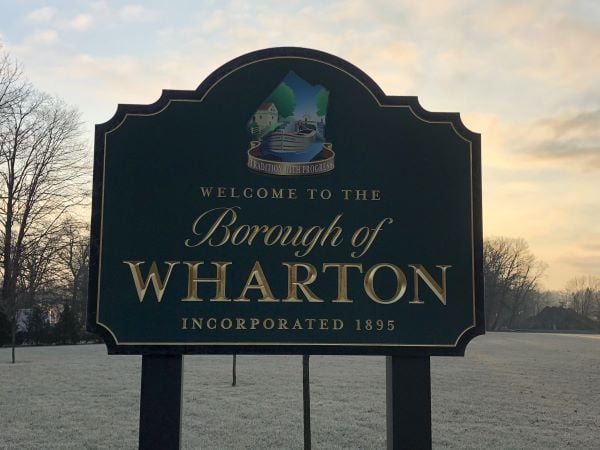
Wharton, New Jersey is a historic and close‑knit borough nestled in the highlands of Morris County. Originally incorporated on June 26, 1895 under the name Port Oram, the town was formed from portions of Randolph and Rockaway Townships before officially adopting the name Wharton in 1902 in honor of industrialist Joseph Wharton.
With roots tracing back to the 18th‑century iron industry, Wharton grew rapidly thanks to its rich natural iron ore deposits and its strategic connection to the Morris Canal, completed in 1831. This canal played a major role in transporting iron, coal, and goods between New Jersey and Pennsylvania, helping establish Wharton as an important industrial center in Morris County.
Today, Wharton is home to roughly 7,300 residents and spans just over 2 square miles, offering a perfect blend of small‑town charm and rich historical heritage. The borough sits conveniently near Routes 15, 46, and 80, providing easy access to surrounding towns and North Jersey destinations while preserving its peaceful, community‑oriented environment.
History & Local Character
Wharton began as a cluster of mining and mill communities including Port Oram, Irondale, Luxemburg, and Maryville primarily filled with workers from local blast furnaces, mines, textile mills, and silk factories. These early industries shaped the town’s identity, culture, and working‑class roots.
The borough’s industrial past remains visible through local landmarks such as historic canal areas, the remnants of old mines, and preserved sites connected to the iron era. These elements highlight Wharton’s role as one of Morris County’s once‑thriving industrial hubs.
Nature, Recreation & Community Life
Despite its hardworking roots, Wharton also offers abundant green space and outdoor recreation. Residents and visitors enjoy beautiful local parks, scenic walking trails, picnic areas, and nature preserves that celebrate the scenic highlands of northern New Jersey. The Elizabeth D. Kay Environmental Center and various canal‑side trails give nature lovers plenty to explore.
Community spirit runs strong here, highlighted by events like the annual Canal Day Music & Craft Festival, which honors the town’s rich canal history and brings neighbors together for music, local vendors, food, and family activities.
A Town that Balances Tradition and Progress
Known for its motto “Tradition with Progress,” Wharton embraces its historical roots while continually evolving as a modern, welcoming community. Its small size, historical significance, natural beauty, and convenient location make it a unique and inviting place to live, visit, and explore.